Visual assistance beyond a single observation
A visual-memory assistant connects the current camera view to objects and faces encountered before. Virgile focuses on persistent recognition across observations, bringing continuity to visual assistance on an edge device.
Wearable use also places sensing, inference, and memory within an embedded resource budget. The project investigates how an assistant can connect visual observations to persistent recognition while keeping vision-language inference local.
Persistent recognition on the NanoMind platform
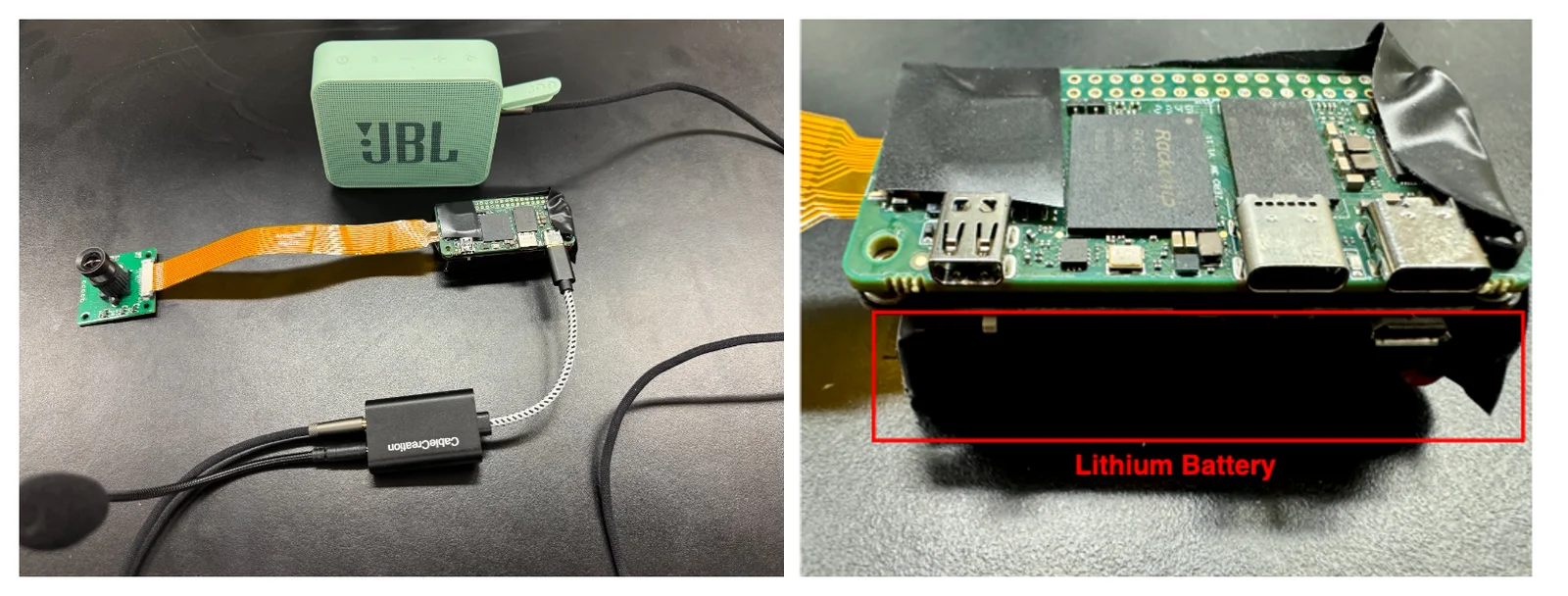
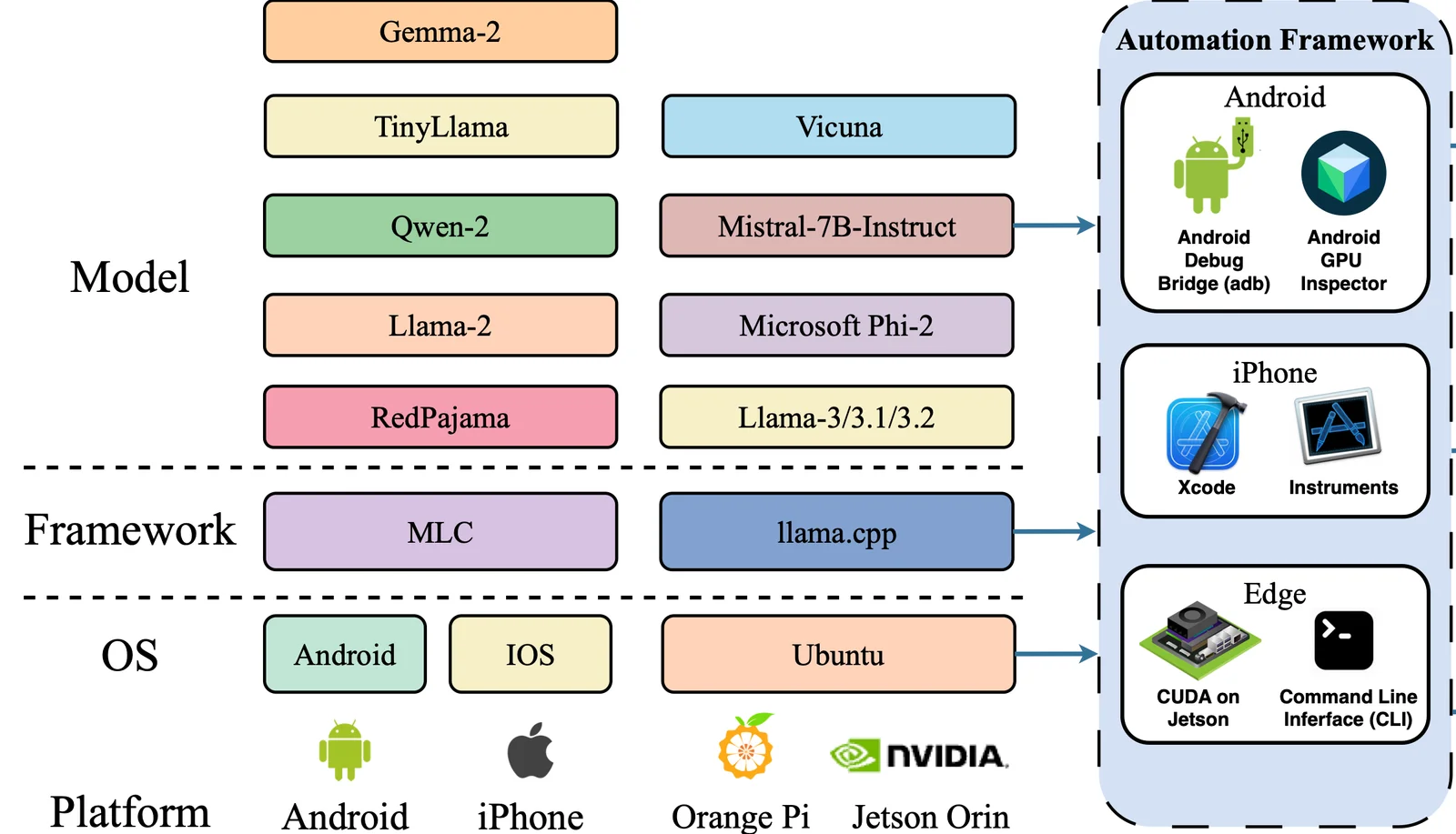
Virgile is built on the NanoMind hardware platform. It combines custom sensors, embedded hardware, accelerator-aware software, and local vision-language inference to support persistent object and face recognition.
NanoMind provides resource-aware local execution, while Virgile focuses on visual-memory assistance. Pairing embedded sensing with persistent recognition connects new visual observations to familiar objects and faces over time.
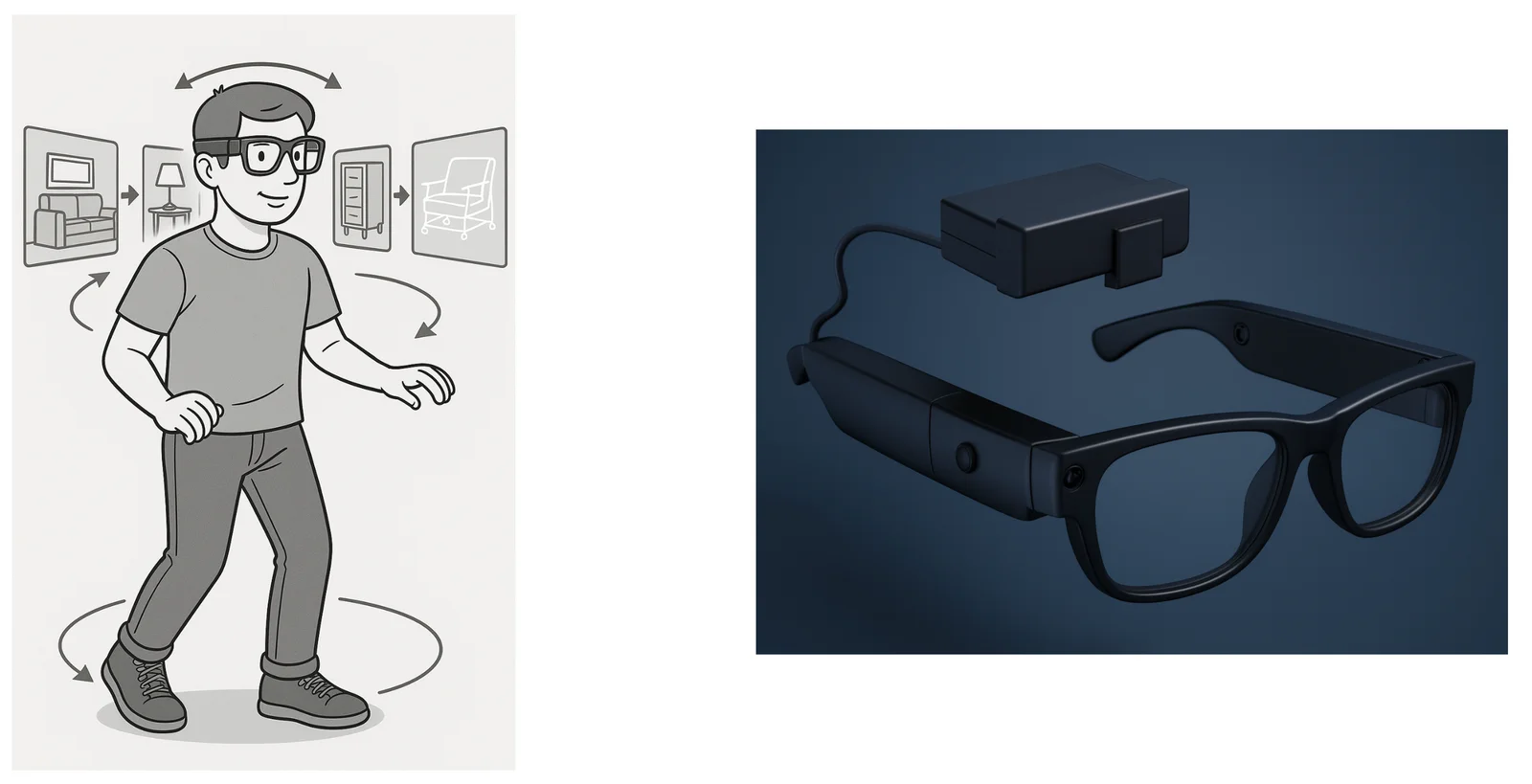
Visual understanding and face-and-item memory
Persistent recognition gives the project a concrete focus: making encountered objects and faces part of the assistant's visual memory. Local multimodal inference and embedded sensing provide the foundations for that continuity.
The Re-Mind slides describe a real-time demonstration of visual understanding and face-and-item memory on custom-built hardware. They place this capability within the broader research program on personalized memory assistance.
Toward personalized memory assistance
The broader Re-Mind direction explores personalized memory and cognitive accessibility, with goals such as understanding surroundings and finding items. Virgile contributes the local perception and persistent-recognition foundations for this direction.
The project brings together the embedded systems and application questions: how to run multimodal inference within a wearable resource budget, and how to make visual observations useful across repeated encounters.